
 Posted by
 Introduction
Healthy food choices create a strong foundation for a fit life. Among superfoods gaining popularity, chia seeds and sabja seeds have become the best choices for adding nutrition to everyday meals. Many people use them for weight loss, energy, and digestion, but they often get confused between the two. This blog explains everything clearly—difference between chia and sabja seeds, their nutritional values, uses, benefits, daily dosage, how to take chia seeds, and sabja seeds price in India.
Let’s explore these tiny seeds that offer major health advantages and learn the benefits chia seeds and sabja seeds provide for overall wellness.
Introduction to Chia Seeds and Sabja Seeds
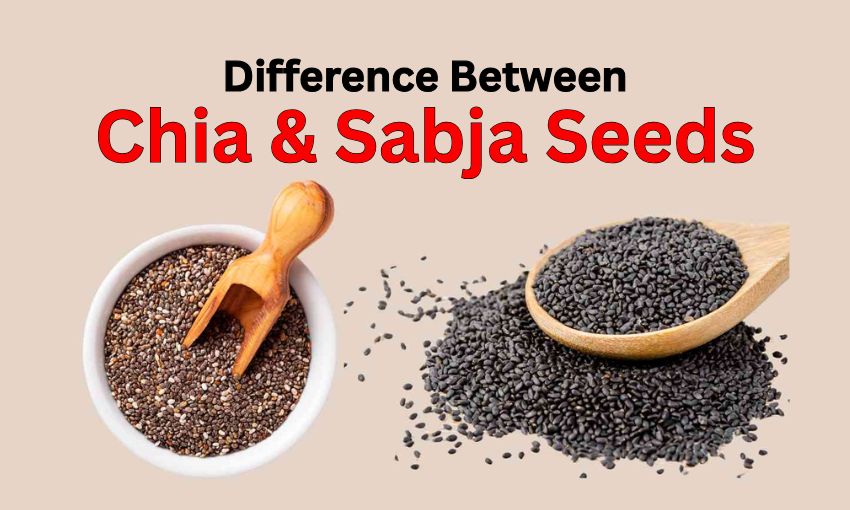
Both chia seeds and sabja seeds are tiny black seeds known for their cooling and hydrating effects. They swell when soaked in water, making them perfect for beverages, desserts, and weight-loss diets. Even though many people think they are the same, there is a clear difference between chia and sabja seeds in texture, nutrition, and health benefits.
-
Chia seeds – Scientifically called Salvia hispanica, originally from Mexico.
-
Sabja seeds – Popularly known as Holy Basil or Tukmaria seeds and come from India.
Both are excellent additions to healthy diets, but their usage and effects vary. Understanding the properties of chia seeds and sabja seeds helps you make the right choice based on your health goals.
What Are Chia Seeds?
Chia seeds are small oval seeds that turn gel-like when soaked. They are rich in protein, antioxidants, and omega-3 fatty acids. These seeds support weight loss and boost energy levels naturally. Knowing how to take chia seeds helps you use them effectively.
Nutritional Value (per 100 grams)
| Nutrient | Amount |
|---|---|
| Calories | 486 kcal |
| Protein | 16.5 g |
| Fiber | 34 g |
| Omega-3 Fatty Acids | 17.8 g |
| Calcium | 631 mg |
Their high fiber content keeps the stomach full for hours. That is why benefits chia seeds include improved digestion and appetite control.
What Are Sabja Seeds?
Sabja seeds are commonly used in summer drinks like falooda and sherbet. They provide cooling effects and are widely used in Indian households. They are also known as basil seeds. People often check sabja seeds price before buying them in bulk for home use.
Nutritional Value (per 100 grams)
| Nutrient | Amount |
|---|---|
| Calories | 284 kcal |
| Protein | 14 g |
| Fiber | 80 g |
| Carbohydrates | 57 g |
| Iron | 20 mg |
Sabja seeds contain more fiber than chia seeds, making them great for digestion, acidity, and body heat control.
Difference Between Chia and Sabja Seeds
Understanding the difference between chia and sabja seeds helps you choose the right seed based on your needs.
| Feature | Chia Seeds | Sabja Seeds |
|---|---|---|
| Shape | Oval | Round |
| Color | Black/Grey | Jet Black |
| Taste | Mild and neutral | Slightly peppery |
| Swelling Time | 20 minutes | 2–3 minutes |
| Cooling Effect | Moderate | Very high |
| Best Use | Smoothies, salads | Drinks, desserts |
| Price | Higher | Affordable |
Many users compare sabja seeds price with chia seeds as sabja seeds are budget-friendly and easy to find in local markets.
Health Benefits of Chia Seeds and Sabja Seeds
Both seeds offer numerous health benefits. However, their effects differ slightly. Let’s compare the benefits chia seeds and sabja seeds bring to the body.
Benefits of Chia Seeds
-
Boosts metabolism and energy levels
-
Helps in weight control
-
Supports heart health with omega-3 fatty acids
-
Improves digestion and bowel movement
-
Rich in antioxidants for skin health
Benefits of Sabja Seeds
-
Naturally cools the body
-
Treats acidity and bloating
-
Controls appetite
-
Helps manage blood sugar levels
-
Supports immunity and skin glow
These reasons show why chia seeds and sabja seeds are added to health diets all over the world.
How to Take Chia Seeds – Best Ways
Knowing how to take chia seeds makes them more effective. The right preparation ensures maximum absorption of nutrients.
Method 1: Soaked Chia Seeds Drink
-
Take 1 tablespoon of chia seeds.
-
Soak in 200 ml of water.
-
Wait for 20 minutes until they swell.
-
Add lemon or honey.
-
Drink on an empty stomach.
Method 2: Add to Breakfast
-
Mix with oatmeal, curd, or smoothies.
Method 3: Healthy Desserts
-
Add to puddings, fruit bowls, and protein shakes.
These methods help you experience the benefits chia seeds in a natural way.
How to Use Sabja Seeds Effectively
-
Soak 1 teaspoon in water for 2 minutes.
-
Use in falooda, roohafza, lassi, or coconut water.
-
Ideal during summer for body cooling.
People often search sabja seeds price online before buying large quantities. Prices usually range between ₹150 to ₹350 per kg, depending on quality and brand.
Sabja Seeds Price in India – Complete Overview
| Brand | Approx Price Per 500g |
|---|---|
| Local Grocery | ₹80–₹120 |
| Organic Store | ₹150–₹200 |
| Premium Brand | ₹250–₹350 |
Due to availability in India, sabja seeds price remains affordable compared to chia seeds, which cost between ₹400–₹600 per kg.
Weight Loss with Chia Seeds and Sabja Seeds
Both chia seeds and sabja seeds improve digestion and reduce hunger naturally. Their fiber swells and forms gel, making the stomach feel full. That is how benefits chia seeds and sabja seeds support weight loss.
Best Time to Consume:
✔ Morning empty stomach
✔ Before meals
✔ During hot summer days
Precautions & Side Effects
Even natural foods need proper usage. Excess use can cause stomach discomfort.
Avoid if you have:
-
Low blood pressure
-
Hypoglycemia
-
Kidney stone issues
-
Thyroid problem
Drink more water when using chia seeds and sabja seeds daily to avoid constipation.
Conclusion
Both chia seeds and sabja seeds are powerful superfoods with amazing benefits. Understanding the difference between chia and sabja seeds helps in choosing the right one for your health goals. Sabja seeds are more affordable as sabja seeds price is budget-friendly, while chia seeds offer higher omega-3, making them great for heart and brain health. Once you understand how to take chia seeds, you can easily include these seeds into your everyday diet.
When used wisely, benefits chia seeds and sabja seeds offer long-term wellness and energy without side effects.
10 FAQs on Chia Seeds & Sabja Seeds
1. Are chia seeds and sabja seeds the same?
No. They look similar but have different nutritional values and uses.
2. What is the best difference between chia and sabja seeds?
Chia swells slowly, while sabja swells in 2 minutes and gives a cooling effect.
3. What is the average sabja seeds price in India?
Sabja seeds price starts from ₹80 and goes up to ₹350 per 500 grams.
4. What are the top benefits chia seeds provide?
Weight control, energy boost, heart support, and better digestion.
5. How to take chia seeds daily?
Soak 1 tablespoon in water for 20 minutes and drink on an empty stomach.
6. Can sabja seeds reduce heat in the body?
Yes. They are known for strong cooling properties.
7. Are chia seeds good for skin?
Yes. They contain antioxidants that support natural skin repair.
8. Can we mix chia seeds and sabja seeds together?
Yes, but take a small amount to avoid digestion issues.
9. Are these seeds safe for diabetic patients?
Sabja seeds help regulate blood sugar. Chia seeds should be taken in moderation.
10. Can children consume these seeds?
Yes, but only half teaspoon daily after soaking properly.