 Posted by
 Introduction
Vitamin B12 deficiency has become a serious health concern worldwide. Many people do not realize how important this nutrient is until they start facing unusual health problems like tiredness, tingling, memory issues, or mood changes. Vitamin B12 plays a key role in brain function, nerve health, blood formation, and overall energy. When the level of this vitamin drops, the body struggles to perform basic functions, and long-term deficiency can even cause permanent nerve damage.
The good part is that vitamin b12 deficiency can be improved and even prevented with the right diet, awareness, and timely treatment. Understanding vitamin b12 foods, the early signs of b12 vitamin deficiency symptoms, and the common vitamin b12 deficiency symptoms helps people stay healthy and energetic.
In this blog, you will learn everything about Vitamin B12 deficiency in simple language—its causes, symptoms, tests, treatment, risk groups, prevention, food sources, and many more useful details. A long FAQ section is included at the end to clear every doubt.
Let’s begin.
What is Vitamin B12?
Vitamin B12, also known as cobalamin, is a water-soluble vitamin that supports multiple functions in the human body. It helps in:
-
Keeping nerves healthy
-
Producing red blood cells
-
Maintaining brain and memory function
-
Forming DNA
-
Improving metabolism
-
Supporting energy levels
Since the body cannot make it naturally, you need vitamin b12 rich foods to meet daily needs.
What is Vitamin B12 Deficiency?
Vitamin b12 deficiency happens when the body does not get enough B12 from diet or cannot absorb it properly. When the level drops too low, people experience tiredness, weakness, and nerve problems. Since the deficiency grows slowly, most people miss early signs.
Many people think only older adults suffer from this issue, but today even young people, vegetarians, and office workers are reporting b12 deficiency symptoms.
Early diagnosis is very important because long-term deficiency harms brain and nerve function.
Causes of Vitamin B12 Deficiency
1. Poor Diet
A diet that lacks vitamin b12 foods triggers deficiency. This is common among:
-
Vegans
-
Vegetarians
-
People eating fast food daily
-
People with low dairy or meat intake
Food is the most natural source of B12, so poor diet is the biggest reason behind vitamin b12 deficiency.
2. Absorption Problems
Some people consume vitamin b 12 rich foods but their bodies do not absorb the vitamin properly due to:
-
Gastric diseases
-
Pernicious anemia
-
Low stomach acid
-
Gut infections
-
Weight-loss surgery
Poor absorption is a major reason behind severe vitamin b12 deficiency symptoms.
3. Medical Conditions
Certain health problems reduce the ability to absorb Vitamin B12:
-
Crohn’s disease
-
Celiac disease
-
Chronic gastritis
-
Pancreatic disorders
These conditions increase the chances of b12 vitamin deficiency symptoms.
4. Medications
Some medicines interfere with B12 absorption, such as:
-
Metformin (diabetes)
-
Acid-reducing drugs
-
Proton pump inhibitors
Regular users of these medicines should monitor their B12 levels.
5. Age Factor
People above 50 often produce less stomach acid. This affects absorption of B12 even if they consume vitamin b12 rich foods.
6. Alcohol and Smoking
These habits weaken the stomach lining and reduce B12 absorption.
Symptoms of Vitamin B12 Deficiency
Many people ignore symptoms of vitamin b12 deficiency, thinking they are caused by stress or lifestyle. Recognizing early signs can prevent major health issues.
1. Extreme Tiredness & Weakness
Low B12 levels reduce red blood cell production. This drops oxygen supply in the body, leading to:
-
Fatigue
-
Low stamina
-
Feeling weak even after rest
This is one of the earliest b12 deficiency symptoms.
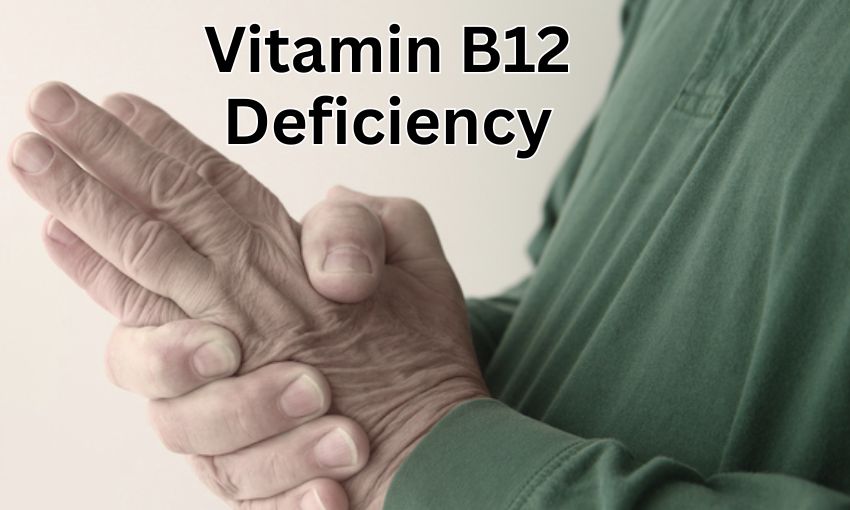
2. Numbness & Tingling
When nerves do not get enough B12, people feel:
-
Pins and needles sensation
-
Numbness
-
Burning in hands and feet
This is a serious vitamin b12 deficiency symptom that requires immediate attention.
3. Memory Problems
People face difficulty in:
-
Remembering daily tasks
-
Concentrating
-
Making decisions
These brain-related issues are a sign of b12 vitamin deficiency symptoms.
4. Mood Changes
Deficiency affects brain chemicals and leads to:
-
Depression
-
Anxiety
-
Irritation
-
Sudden mood swings
5. Pale or Yellow Skin
Low red blood cell production leads to pale skin. Sometimes, bilirubin increases and skin turns slightly yellow.
6. Shortness of Breath
Since blood carries less oxygen, people feel breathless even with light activity.
7. Hair Fall & Weak Nails
Low nutrient levels weaken hair roots and reduce nail strength.
8. Loss of Appetite
People with B12 deficiency often feel full quickly and may lose weight.
9. Mouth Ulcers & Tongue Pain
Tongue becomes swollen, painful, or red. Ulcers appear frequently.
10. Vision Problems
Long-term deficiency damages optic nerves and affects clarity of vision.
Who Is at Risk of Vitamin B12 Deficiency?
You are at higher risk if you belong to any of these groups:
1. Vegetarians or Vegans
Since B12 is mostly found in animal products, vegans must depend on supplements or fortified vitamin b12 foods.
2. Elderly Individuals
People above 50 absorb less B12 from food.
3. Pregnant Women
They need more nutrients for baby growth.
4. People with Digestive Disorders
Crohn’s disease, IBS, and surgeries reduce absorption.
5. Regular Users of Certain Medicines
Especially diabetes and acidity medicines.
6. People With Poor Diet
Those who avoid vitamin b 12 rich foods like dairy, eggs, and fish.
Complications of Vitamin B12 Deficiency
Ignoring vitamin b12 deficiency increases the risk of:
-
Permanent nerve damage
-
Severe anemia
-
Heart problems
-
Infertility
-
Poor memory
-
Vision loss
-
Weak immunity
-
Developmental issues in babies
Early treatment prevents all these complications.
Diagnosis: How is Vitamin B12 Deficiency Detected?
Doctors usually recommend these tests:
1. Vitamin B12 Blood Level
Measures the exact amount of B12.
2. Complete Blood Count (CBC)
Checks anemia and red blood cell size.
3. MMA Test (Methylmalonic Acid)
Shows B12 deficiency even in early stages.
4. Homocysteine Test
High levels suggest B12 or folate deficiency.
Treatment of Vitamin B12 Deficiency
Treatment depends on the cause of deficiency and may include:
1. Vitamin B12 Supplements
Doctors prescribe oral tablets or capsules.
2. Vitamin B12 Injections
Given to people with absorption issues or severe deficiency.
3. Improving Diet
Adding vitamin b12 foods, vitamin b12 rich foods, and vitamin b 12 rich foods helps restore levels naturally.
4. Treating Underlying Diseases
Gut problems, infections, or medical disorders must be treated.
Vitamin B12 Foods: Best Dietary Sources
Here are the best natural vitamin b12 foods to include in your diet:
-
Eggs
-
Milk
-
Cheese
-
Yogurt
-
Fish (salmon, tuna, mackerel)
-
Chicken
-
Liver
-
Seafood
-
Fortified cereals
-
Fortified plant milk
Eating these vitamin b12 rich foods daily improves energy, nerve function, and overall health.
Top Vitamin B 12 Rich Foods for Vegans and Vegetarians
Vegans can get B12 from:
-
Fortified tofu
-
Fortified plant milk
-
Nutritional yeast
-
Breakfast cereals
-
Fortified juices
These options help prevent vitamin b12 deficiency symptoms if taken regularly.
Daily Vitamin B12 Requirement
The required amount varies by age:
-
Adults: 2.4 mcg/day
-
Pregnant women: 2.6 mcg/day
-
Breastfeeding women: 2.8 mcg/day
Prevention of Vitamin B12 Deficiency
You can easily prevent vitamin b12 deficiency with these simple steps:
-
Include vitamin b12 foods daily
-
Take supplements if needed
-
Do regular blood tests
-
Avoid excessive alcohol
-
Treat gut issues early
-
Follow a balanced diet
10 Frequently Asked Questions (FAQs)
1. What are the early signs of Vitamin B12 deficiency?
Common early signs include fatigue, weakness, numbness, tingling, memory issues, and mouth ulcers. These are classic b12 deficiency symptoms.
2. Which foods are highest in Vitamin B12?
Eggs, dairy products, fish, poultry, and fortified cereals are excellent vitamin b12 rich foods.
3. Can vegetarians get enough Vitamin B12 from food?
Yes, but they must consume fortified vitamin b12 foods or supplements.
4. How long does it take to correct Vitamin B12 deficiency?
Most people improve within weeks, but nerve damage takes longer to heal.
5. Can Vitamin B12 deficiency cause depression?
Yes, B12 plays a major role in mood regulation. Low levels cause mood swings and depression.
6. How is Vitamin B12 deficiency diagnosed?
Through blood tests like B12 level, CBC, MMA, and homocysteine test.
7. Are B12 injections better than tablets?
Injections work faster, especially for people who cannot absorb B12 from vitamin b12 foods.
8. Can Vitamin B12 deficiency cause hair fall?
Yes, low B12 affects hair roots and increases hair fall.
9. Can children also get Vitamin B12 deficiency?
Yes, especially vegetarian children or those with digestive issues.
10. What happens if Vitamin B12 deficiency is not treated?
Untreated deficiency leads to nerve damage, anemia, memory loss, and heart problems.
Conclusion
Vitamin B12 is one of the most important nutrients for your brain, nerves, and energy levels. Unfortunately, many people ignore the early warning signs of vitamin b12 deficiency because the symptoms appear slowly. Understanding vitamin b12 deficiency symptoms, adding vitamin b12 rich foods to your diet, and taking supplements when needed can protect your long-term health.
A balanced diet, awareness, and timely treatment are the key to preventing serious complications. Stay healthy, stay informed, and make Vitamin B12 a regular part of your nutrition plan.