Introduction
In recent years, infectious diseases have gained global attention because of their sudden outbreaks and serious health impact. One such dangerous illness is the nipah virus, a rare but life-threatening infection that affects humans and animals. Many people still ask what is nipah virus, how it spreads, and whether treatment is available.
The nipah disease often appears without warning and can progress rapidly. Early symptoms may look mild, but the condition can worsen quickly if ignored. Because of its high fatality rate, awareness and early medical care are extremely important.
This blog explains everything you need to know about nipah virus infection, including symptoms of nipah virus, nipah virus causes, diagnosis, prevention, and nipah virus treatment. The information is written in simple language so that everyone can understand it easily.
What Is Nipah Virus?
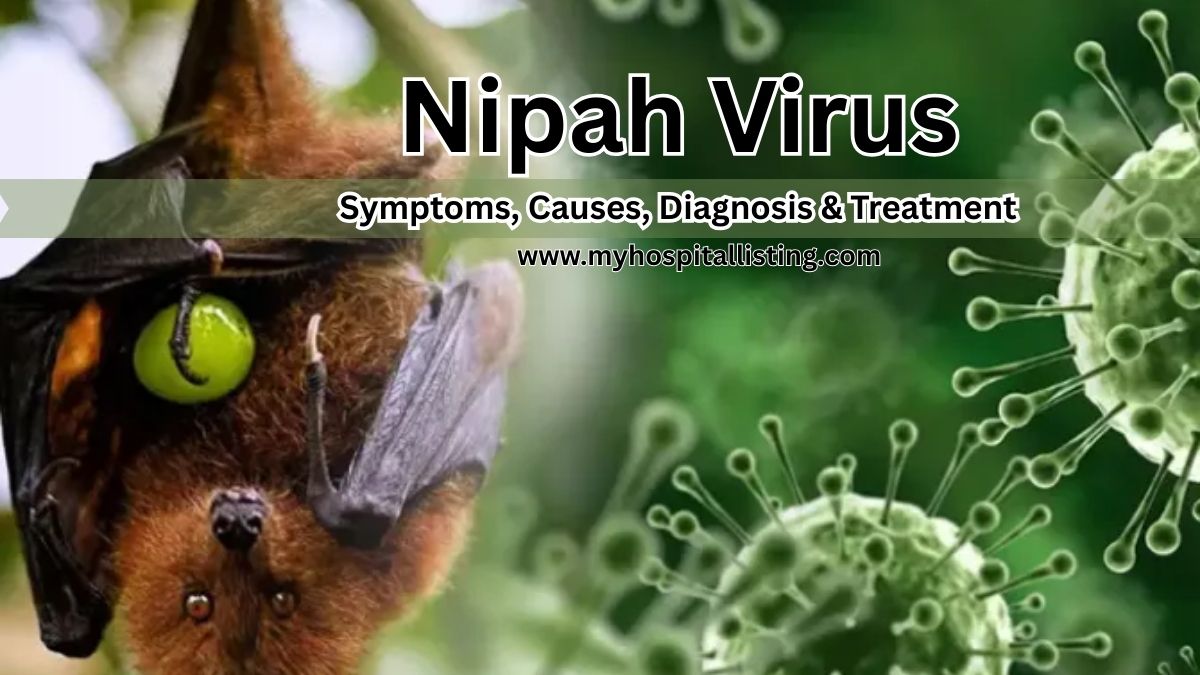
Many people ask, what is nipah virus and why it causes concern. The nipah virus is a zoonotic virus, which means it spreads from animals to humans. Fruit bats, also known as flying foxes, act as the natural carriers of the virus.
The nipah virus infection can affect the brain and respiratory system. In severe cases, it leads to inflammation of the brain, known as encephalitis. This condition can cause seizures, coma, and even death.
The virus was first identified in Malaysia in 1998, and since then, outbreaks have occurred mainly in South and Southeast Asia.
Understanding Nipah Disease
Nipah disease refers to the illness caused by the nipah virus. It does not always show symptoms immediately. Some infected individuals may remain symptom-free for a few days, while others fall seriously ill within a short time.
The disease often begins with flu-like symptoms. Over time, it can affect the nervous system, leading to confusion and loss of consciousness. Because of its unpredictable nature, early diagnosis becomes critical.
Symptoms of Nipah Virus
Recognizing the symptoms of nipah virus early can save lives. Symptoms usually appear within 5 to 14 days after exposure.
Early Symptoms
-
Fever
-
Headache
-
Muscle pain
-
Sore throat
-
Vomiting
-
Fatigue
Advanced Symptoms
-
Dizziness
-
Drowsiness
-
Mental confusion
-
Difficulty breathing
-
Seizures
-
Loss of consciousness
The symptoms of nipah virus may worsen rapidly. Immediate consultation with an Internal Medicine Doctor or a specialist for internal medicine is essential when neurological symptoms appear.
Nipah Virus Causes
Understanding nipah virus causes helps reduce the risk of infection. The virus spreads mainly through direct or indirect contact with infected animals, contaminated food, or infected people.
Main Nipah Virus Causes
-
Consumption of fruits contaminated by bat saliva or urine
-
Drinking raw date palm sap
-
Close contact with infected pigs
-
Human-to-human transmission in healthcare settings
The nipah virus causes outbreaks mainly in rural areas where people come into close contact with animals.
How Nipah Virus Spread
Many people want to know how nipah virus spread occurs. The virus does not spread through air over long distances like flu. It spreads through close contact.
Ways Nipah Virus Spread
-
Direct contact with infected animals
-
Consumption of contaminated food or drinks
-
Contact with body fluids of infected individuals
Understanding how nipah virus spread helps communities take preventive steps during outbreaks.
Nipah Virus Transmission Explained
Nipah virus transmission occurs through saliva, urine, blood, or respiratory droplets. Hospitals and caregivers face higher risk without proper protective measures.
Human-to-human nipah virus transmission has been reported in several outbreaks. This makes infection control practices extremely important in hospitals.
Who Is at Risk of Nipah Virus Infection?
Certain groups face higher risk of nipah virus infection:
-
People living near fruit bat habitats
-
Healthcare workers
-
Family members caring for infected patients
-
Farmers handling pigs or livestock
Early consultation with a specialist for internal medicine reduces complications.
Diagnosis of Nipah Virus
Doctors confirm nipah virus infection through laboratory tests. Diagnosis usually takes place in specialized labs.
Common Diagnostic Tests
-
RT-PCR blood test
-
Throat or nasal swab test
-
Cerebrospinal fluid test
-
Antibody detection
An experienced Internal Medicine Doctor coordinates testing and clinical evaluation. Early diagnosis improves survival chances.
Nipah Virus Treatment
Currently, no specific antiviral drug exists for nipah virus treatment. Treatment focuses on supportive care and symptom management.
Key Aspects of Nipah Virus Treatment
-
Intensive care monitoring
-
Oxygen support
-
Fluids and electrolytes
-
Seizure control
-
Management of brain inflammation
Timely Infectious Disease Treatment plays a crucial role in recovery. Hospitals often involve a specialist for internal medicine to manage complications.
Role of Infectious Disease Treatment
Infectious Disease Treatment focuses on controlling the spread and managing symptoms. Isolation protocols protect others from infection.
Doctors trained in Infectious Disease Treatment work closely with internal medicine specialists to handle severe cases.
Importance of Internal Medicine Doctor
An Internal Medicine Doctor manages overall health, monitors organ function, and coordinates care. Patients with nipah disease often require continuous monitoring.
A specialist for internal medicine ensures proper supportive care, which improves survival chances.
Can Nipah Virus Be Prevented?
Prevention remains the best defense against nipah virus infection.
Prevention Tips
-
Avoid eating fallen or half-eaten fruits
-
Do not drink raw date palm sap
-
Maintain hand hygiene
-
Use protective equipment when caring for patients
-
Avoid contact with sick animals
Public awareness reduces nipah virus transmission significantly.
Living With and Recovering From Nipah Disease
Recovery depends on early care and overall health. Some survivors experience long-term neurological effects. Regular follow-ups with an Internal Medicine Doctor help manage complications.
FAQs About Nipah Virus
How did Nipah start?
Nipah started in Malaysia in 1998 when people came into contact with infected pigs and fruit bats.
What are the risk factors for Nipah?
Close contact with bats, pigs, infected individuals, and contaminated food increases risk.
How to confirm nipah?
Doctors confirm nipah through laboratory tests like RT-PCR and antibody testing.
What does the Nipah virus do to the body?
The virus attacks the brain and respiratory system, causing inflammation and breathing problems.
What are the first symptoms of the Nipah virus?
Fever, headache, fatigue, and muscle pain are early signs.
What is the cause of Nipah virus?
The virus spreads from fruit bats to humans through contaminated food or close contact.
Can you recover from Nipah virus?
Yes, recovery is possible with early diagnosis and proper supportive care.
Has anyone survived Nipah?
Yes, many patients have survived nipah disease with timely medical treatment.
How to avoid the Nipah virus?
Avoid contaminated food, maintain hygiene, and follow infection control practices.
What is the lifespan of the Nipah virus?
The virus survives for a short time outside the host but spreads quickly through direct contact.
Conclusion
The nipah virus remains a serious global health concern due to its high fatality rate and rapid progression. Understanding what is nipah virus, recognizing symptoms of nipah virus, and seeking timely nipah virus treatment can save lives.
Early diagnosis, proper Infectious Disease Treatment, and care from an experienced Internal Medicine Doctor or specialist for internal medicine improve outcomes. Awareness, prevention, and responsible healthcare practices remain the strongest tools against nipah virus infection.
